

NeuralVibe™

Mechanical Signals Become Cognitive Intelligence
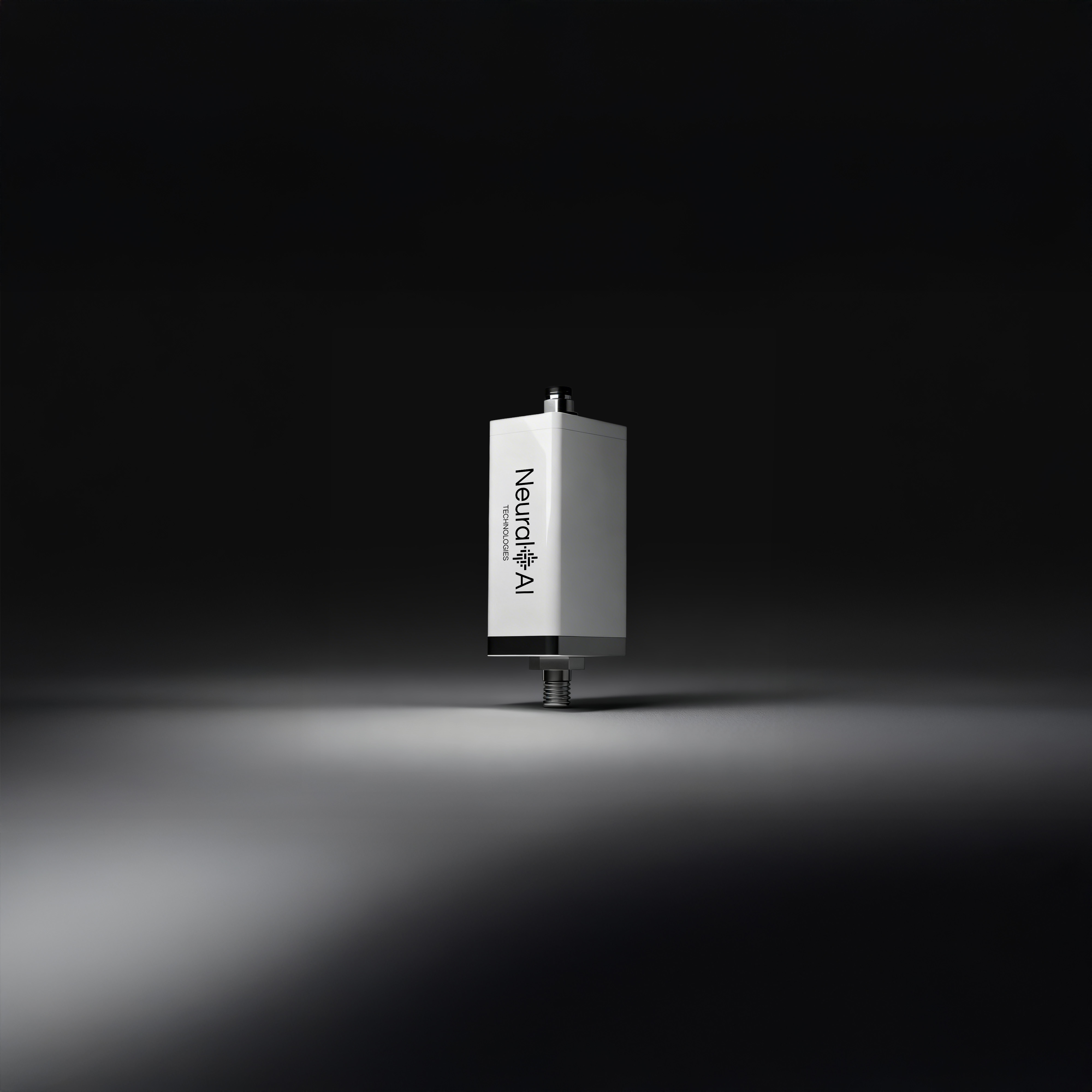
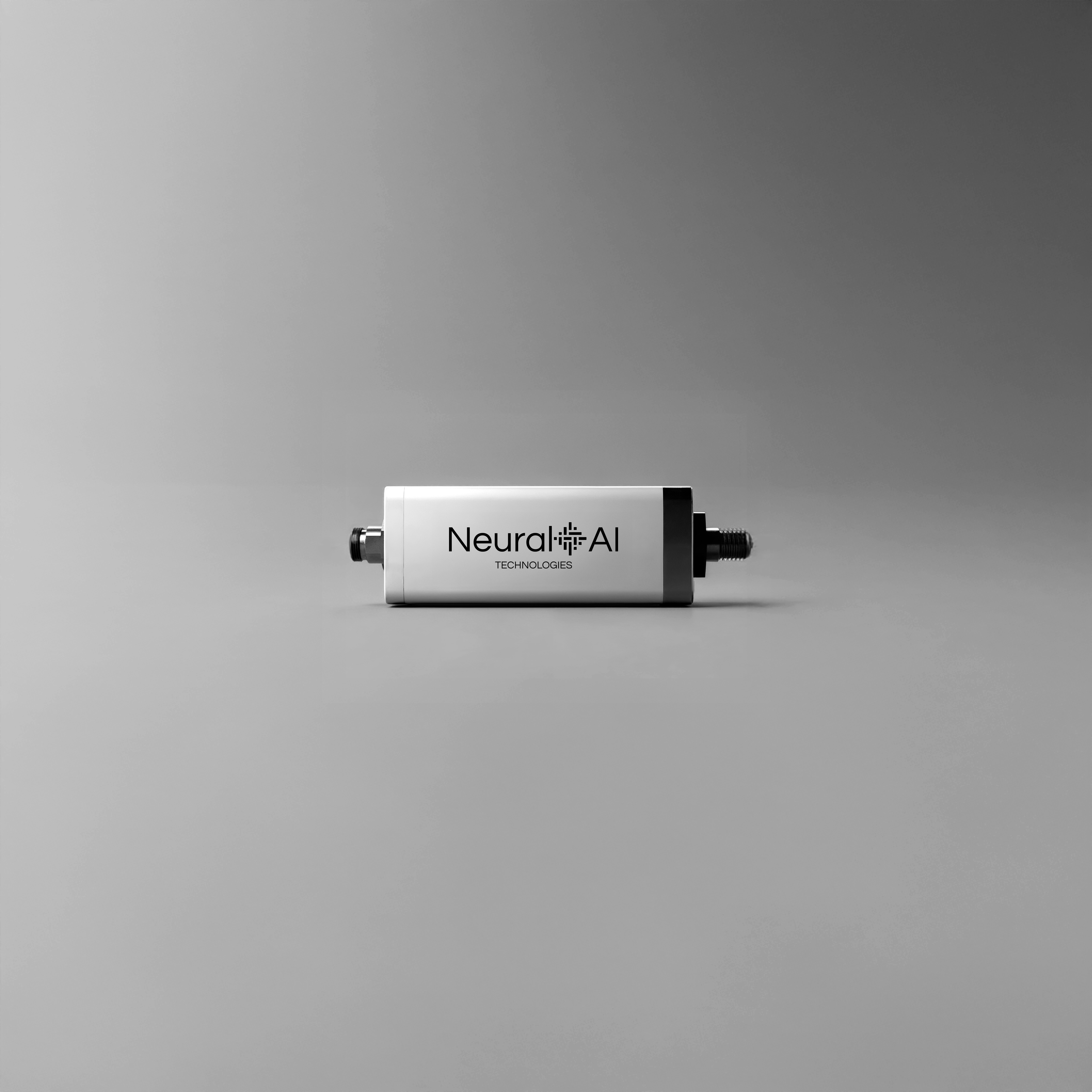
NeuralVibe is a neuromorphic vibration sensor powered by the NeuralAI hardware-neuron platform is a neuromorphic vibroacoustic smart sensor for real-time condition monitoring of industrial equipment — detecting faults earlier, locally, and autonomously.
NeuralVibe utilizes a hardware-implemented neuromorphic architecture, distinguishing it from traditional vibration monitoring methods that utilize static thresholds or cloud-based analytics.It does not merely measure vibration.
It learns mechanical behavior, forms pattern memory, and recognizes deviations in real time — directly inside the sensor.
From Vibration Monitoring To Cognitive Sensing
NeuralVibe advances vibration monitoring by performing in-sensor cognition, processing data directly at the source rather than relying on external cloud streaming. Built on the NeuralAI neuromorphic core, it features:
Event-driven neural processing for efficient data handling.
Content-addressable pattern memory for rapid recognition.
Real-time pattern classification for immediate insights.
Continuous adaptive learning, maintaining peak performance through automated updates.
Real-time pattern classification
Adaptive learning without retraining cycles
By integrating these advanced capabilities, NeuralVibe provides a more autonomous and intelligent approach compared to conventional threshold-based systems. NeuralVibe optimizes performance by conducting in-sensor cognition, providing immediate local processing of all captured data.
The Neuromorphic Neural AI Platform
Powered by physical hardware neurons to provide native neuromorphic intelligence.
 Hardware-Based Neural Networks
Content-Addressable Pattern Memory
Event-Driven Computation
On-Device Learning & Adaptation
Deterministic Real-Time Response
Explainable Pattern Recognition
Operating Principle
01
High-resolution 3-axis vibration signals are acquired
02
Signals are encoded into neural feature representations
03
Hardware neurons compare patterns to stored mechanical memory
04
Deviations are classified by severity and type
05
Only meaningful events are transmitted
05
Instead of threshold monitoring - It is neuromorphic pattern cognition.
Core Sensor Capabilities
Industrial Vibration Monitoring Specifications
01
3-axis vibration measurement (X, Y, Z)
02
Frequency range: 10 Hz – 6.3 kHz
03
Optional acoustic signal acquisition
04
Continuous 24/7 predictive maintenance monitoring
05
RMS, Peak-to-Peak, Crest Factor analysis
06
Bearing lubrication condition detection
07
Impact and collision energy classification
Edge AI Condition Monitoring System
Autonomous Industrial AI Sensor
NeuralVibe operates as:
- A standalone predictive maintenance sensor
- A SCADA-integrated condition monitoring system
- A distributed Industrial IoT edge AI node
Integration Capabilities
- BLE™ for local configuration
- LoRa™ for industrial IoT networks
- LTE / Gateway connectivity
- MQTT & ChirpStack compatibility
- SCADA & OT environment integration
No cloud dependency required.
Uses Cases For Selected Industries
01
Electric Motors & Industrial Drives
plus icon
Typical Failure Risks
- Bearing wear and spalling
- Rotor imbalance
- Shaft misalignment
- Lubrication degradation
- Electrical-mechanical interaction anomalies
- Cavitation in coupled pump systems
Operational Impact
- Early intervention before catastrophic bearing failure
- Reduced secondary damage to shafts and couplings
- Predictable maintenance windows
- Lower emergency repair costs
Business Outcome
- Reduced unplanned motor downtime
- Increased mean time between failures (MTBF)
- Improved OEE in production lines
How NeuralVibe Adds Value
NeuralVibe learns the baseline vibration signature of each motor during normal operation.

Using neuromorphic pattern memory, it detects:
- Micro-deviations in bearing frequency bands
- Early-stage imbalance before RMS thresholds increase
- Irregular harmonic patterns under varying load conditions
- Changes in lubrication-related vibration signatures

Because classification happens directly inside the hardware neural core, anomalies are detected before ISO-based alarms trigger.
02
Gearboxes & Rotating Transmission Systems
plus icon
Typical Failure Risks
- Gear tooth pitting and micro-cracks
- Surface fatigue
- Lubrication breakdown
- Misalignment under dynamic load
- Impact energy from mechanical shock
Operational Impact
- Prevention of full gearbox replacement
- Avoidance of cascading drivetrain damage
- Maintenance planning aligned with actual condition
Business Outcome
- Extended gearbox lifecycle
- Reduced spare parts inventory pressure
- Lower maintenance CAPEX
How NeuralVibe Adds Value
Gearbox failures often begin as subtle pattern changes in high-frequency vibration bands.

NeuralVibe:
- Identifies modulation patterns linked to early gear mesh damage
- Detects impact energy variations in rotating components
- Distinguishes between lubrication issues and structural damage
- Tracks degradation trends through continuous adaptive learning

Because it uses content-addressable memory, recognition latency remains deterministic even in noisy industrial environments.
03
Mining & Heavy Industry Equipment
plus icon
Typical Operational Conditions
- Extreme dust and vibration exposure
- Continuous heavy load operation
- Remote and hard-to-access locations
- High safety and cost implications of failure
Typical Failure Risks
- Conveyor drive failures
- Crusher bearing breakdown
- Excavator gearbox degradation
- Structural vibration stress
Operational Impact
- Reduced emergency shutdowns
- Increased uptime of critical production lines
- Safer operation of heavy rotating equipment
Business Outcome
- Higher production continuity
- Reduced risk of catastrophic failure events
- Lower total cost of ownership in remote deployments.
How NeuralVibe Adds Value
In mining environments, cloud dependency is often unreliable or costly.

NeuralVibe’s edge-native architecture:
- Operates fully without cloud connectivity
- Detects abnormal vibration patterns in crushers and conveyors
- Identifies early-stage bearing fatigue under extreme load
- Maintains adaptive baselines despite environmental variability
04
Energy Sector (Power Generation & Renewables)
plus icon
Applicable Assets
- Wind turbines
- Turbine generators
- Pumps and compressors
- Transformer cooling systems
- Grid infrastructure rotating assets
Typical Failure Risks
- Turbine blade imbalance
- Generator bearing degradation
- Cavitation in cooling pumps
- Load fluctuation-induced vibration anomalies
Operational Impact
- Reduced turbine downtime
- Increased asset availability factor
- Improved grid reliability
Business Outcome
- Higher energy yield
- Reduced service intervention costs
- Greater infrastructure resilience
How NeuralVibe Adds Value
Energy infrastructure requires:
- Deterministic real-time detection
- Minimal latency
- OT-network compatibility
- Low power distributed sensing

NeuralVibe enables:
- Early-stage turbine imbalance recognition
- Anomaly detection during fluctuating grid loads
- Predictive maintenance of remote wind assets
- Edge-based classification without sending raw data to cloud systems
Intelligence at the Source, Not the Cloud.
NeuralVibe performs neuromorphic pattern cognition directly in hardware — eliminating latency, reducing bandwidth, and enabling deterministic edge intelligence

Unlike cloud-dependent vibration platforms,
NeuralVibe uses hardware-based neural networks with content-addressable memory, enabling real-time recognition of mechanical signatures without external model retraining.
NeuralVibe is fully operational in isolated OT environments. Intelligence resides inside the sensor — not in a remote data center
NeuralVibe is a neuromorphic industrial intelligence node — part of the NeuralAI cognitive sensing architecture.
NeuralVibe:
It listens to What Machines Are Really Telling You
Ready to bring cognitive awareness to your operations? Talk to our team.